Complete Guide to Sandpaper Grit Classification
Contents
In the world of woodworking, sandpaper can be your best friend – if you have the right grit. Start sanding with the wrong grit and sandpaper can also be your worst enemy. With proper sanding, you can create a fantastic finish for any wood project, but you’ve got to know how to choose the right sandpaper for your work.
The Basics of Sandpaper
You have two basic options available to you when you need sandpaper: sanding by hand or sanding with a power tool.
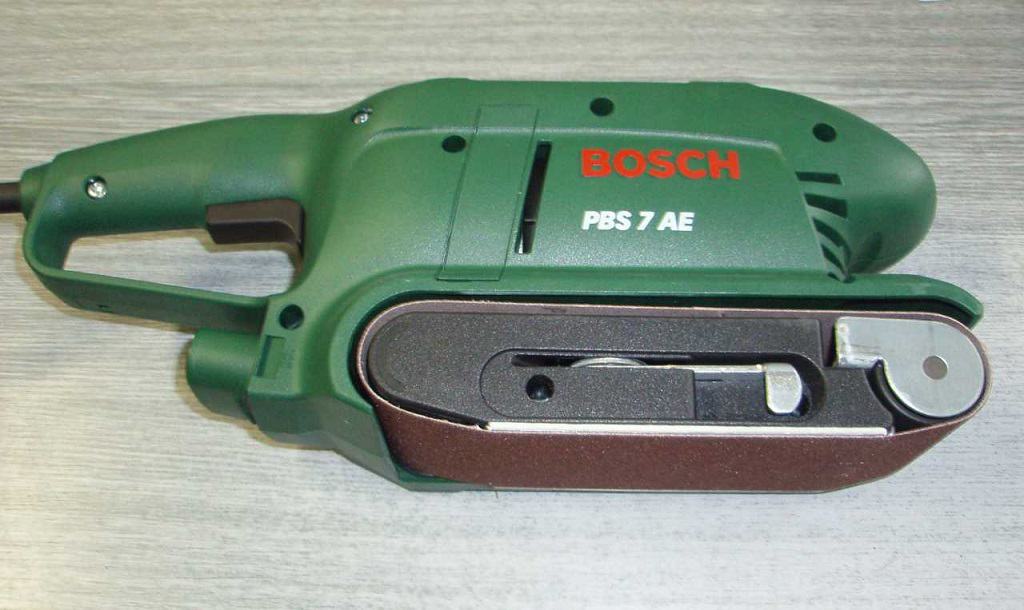
A power sander, such as one of the best random orbital sanders, removes material quickly. It is the best option for leveling, shaping, or removing blemishes. Power-sanding abrasives come as discs, belts, or sheets cut to fit specific tools.
Hand sanding gives you more control for final touches and reaches spots a power sander cannot.
What Are the Different Types of Sandpaper?
Abrasives are either natural or synthetic. Fine Woodworking notes that aluminum oxide, silicon carbide, and ceramics are synthetic, while garnet and emery are the only common natural abrasives.
Here are the main options.
- Aluminum Oxide. The most common all-purpose wood sandpaper. Its grains are friable: they break down as you sand and expose fresh cutting edges, so it keeps cutting.
- Garnet. A natural abrasive long used for hand sanding bare wood before finishing. It suits light sanding rather than heavy stock removal.
- Silicon Carbide. A very hard, sharp synthetic abrasive. It is the usual choice for wet sanding and for sanding between coats of finish, and it also works on metal and paint.
- Ceramic Alumina. Usually sold as discs and belt sanders belts. It is very aggressive, so use it for heavy stock removal.
- Emery. A natural abrasive, usually on a cloth backing, used mostly in metalworking. It polishes metal and can help remove paint from hardware.
For wood, buy aluminum oxide paper. If you also clean up metal hardware, an emery cloth assortment like this 3M pack gives you several grits in one purchase.
Click here to look at prices on Amazon and get a great deal.
The Differences Between Open-Coat and Closed-Coat Sandpapers
“Open-coat” and “closed-coat” describe how much of the backing is covered with grit, not the backing material itself.
Open-coat paper leaves gaps between grains, so wood dust has room to clear and the paper clogs less. Closed-coat paper covers the whole surface with grit and cuts faster, but it loads up quickly on wood.
Most sandpaper sold for wood, for hand or power sanding, is open-coat. Closed-coat paper is more common for metal and for wet sanding.
Backings come in paper, cloth, and film. Waterproof paper, cloth, and film backings can be used for wet sanding.
What Do the Grit Numbers Mean on Sandpaper Products?
Have you ever noticed that all sandpaper products come with a number assigned to them? This number is called the “Grit Number.” It is an indication of what the particle size happens to be on that product. A lower number means a larger, coarser abrasive particle, and a higher number means a finer one.
There are numerous grit number options that are available today. Stores typically carry grits from about 24 to 2,000, and specialty abrasives go finer still.
Very fine grits like 3M's 5,000-grit paper are mainly for polishing finishes: Click here to look at prices on Amazon and get a great deal.
For the average woodworking project, you’ll want to look at grit numbers that are between 60-320. The specific grit number you need will depend on what task you must complete. Here is a short guide as to what to expect from certain grit numbers.
- 36-100. These grit numbers are excellent for material removal. You can strip away a finish, remove rust or flaws from wood, and shape your wood effectively. Power sanders tend to use these grit numbers the most effectively.
- 100-180. These grit numbers are your most versatile options. You can prepare a bare surface for a finish, smooth out a work piece, or remove scratches pretty effectively. Hand-sanding or power sanding are both possible with these grit numbers.
- 180-320. These are your grit numbers for finishing work. A higher number in this category will create a finer finish. You can remove raised fibers or create scuffing between coats to finalize a smooth finish.
Which Sandpaper Option is Right for You?
Abrasives come on sponges, discs, belts, and sheets. Whatever the form, choose the abrasive type first, then work up through the grits without skipping more than one step at a time.
Wear eye protection and a dust mask or respirator, even when hand sanding. OSHA warns that breathing wood dust can cause allergic and other respiratory symptoms and cancer. Use dust collection on power sanders when you can.
If you work on painted surfaces in a home built before 1978, assume the paint may contain lead. The EPA warns that disturbing old paint can create lead dust, so test first and do not dry-sand it.
So select the right sandpaper from this guide and get started.
Sources
- Choosing Sandpaper, Fine Woodworking
- Wood Dust - Overview, OSHA
- Reduce the Risk of Lead Exposure at Home, US EPA