Jigsaw vs Circular Saw Comparison: What Should You Get?
Contents
- Our Top Circular Saws Are:
- 1. Makita SP6000J1: Best Overall
- 2. Skilsaw SPT77WML-01 Circular Saw
- 3. DEWALT 7-1/4-Inch Circular Saw
- Our Top Jigsaws Are:
- 1. Bosch JS470E Jigsaw: Top Pick
- 2. Ryobi’s One+ P523 18 volt T Shank Jigsaw
- 3. PORTER-CABLE PC600JS Jigsaw
- Jigsaw versus Circular Saw: What is the Difference?
- Buying Guide
- The Nature of Your Work
- Power
- Brand
- Parts Availability
- Safety
- Final Thoughts
- Sources
Professional woodworkers and handymen know that the right power saw makes a project easier. If you are new to woodworking, a common question is whether to buy a jigsaw or a circular saw first.
The short answer: a circular saw is for fast, straight cuts, and a jigsaw is for curves and cutouts. Below we compare both tools and the models we recommend in each category.
OUR TOP PICK
The Makita SP6000J1 is our top pick in the circular saw category. It is a plunge-cut track saw that rides on a guide rail for straight, clean cuts in sheet goods.
Our Top Circular Saws Are:
| Product | Details | ||
|---|---|---|---|
| 1. Makita SP6000J1 | 1. Makita SP6000J1 Top Pick | - 6-1/2-inch plunge saw - 12 AMP - 2,000-5,200 RPM - 55-inch guide rail included | Check Current Price |
| 2. Skilsaw SPT77WML-01 Circular Saw | 2. Skilsaw SPT77WML-01 Circular Saw | - 7-1/4-inch worm drive - 15 AMP - Magnesium body - Corded electric | Check Current Price |
| 3. DEWALT 7-1/4-Inch Circular Saw | 3. DEWALT 7-1/4-Inch Circular Saw | - 8.8 pounds - 15 AMP - Bevels to 57 degrees - Corded electric | Check Current Price |
1. Makita SP6000J1: Best Overall
The Makita SP6000J1 is a 6-1/2-inch plunge circular saw, often called a track saw. Instead of following a pencil line freehand, it runs on a guide rail, so long rip cuts in plywood and MDF come out straight.
According to Makita's spec page, the saw has a 12 AMP motor, variable speed from 2,000 to 5,200 RPM, and a cutting depth of 2-3/16 inches at 90 degrees. The kit includes a 48-tooth carbide blade and a 55-inch guide rail.
The rail keeps the cut line clean on both faces of veneered panels, which is the main reason to choose a track saw over a standard circular saw. The variable speed helps when you switch between hardwood, sheet goods, and plastics.
It bevels from -1 to 48 degrees, with positive stops at 22.5 and 45 degrees, for angled cuts on cabinet parts and miters.
Specs
- 6-1/2-inch blade, 12 AMP
- 2,000-5,200 RPM variable speed
- Max cut depth: 2-3/16 inches at 90 degrees, 1-9/16 inches at 45 degrees
- Corded electric
Pros
- Very clean, straight cuts on sheet goods
- Variable speed for different materials
- Guide rail included
Cons
- Heavier and bulkier to store than a basic circular saw, especially with the rail
- Cutting pieces narrower than the guide is tricky
Rating – 4.6/5.0
2. Skilsaw SPT77WML-01 Circular Saw
The Skilsaw SPT77WML-01 is a 7-1/4-inch worm drive saw with a 15 AMP motor and a magnesium housing. Worm drive saws deliver high torque, which is why framers like them for ripping dimensional lumber and cutting wet or treated wood.
The saw allows you to use both hands for control, with a rear handle and a front grip. Keep both hands on the saw and out of the cut line whenever it is running.
Worm drive saws are longer and heavier than sidewinder saws, but the blade-left design gives right-handed users a clear view of the cut line.
Specs
- 7-1/4-inch blade, 15 AMP
- Worm drive, magnesium housing
- Corded electric
Pros
- High torque for framing lumber
- Can be used for a wide range of cutting projects
- On-tool multifunction wrench makes changing the blade easy
- Durable build
Cons
- Heavier than sidewinder saws
- Cannot be used where there is no electricity
Rating – 4.7/5.0
3. DEWALT 7-1/4-Inch Circular Saw
This DEWALT 7-1/4-inch saw is a lightweight sidewinder with a 15 AMP motor. It is a common choice for remodelers and DIYers who need one saw for framing lumber, plywood, and general cutting.
DEWALT says its patented cord protection system gives three times more durability against cord pull-out. The product page for the DWE575SB lists the saw at 8.8 pounds, with an electric brake that stops the blade after you release the trigger.
The saw bevels up to 57 degrees, with stops at 22.5 and 45 degrees. That covers most roof and trim angles.
Specs
- 8.8 pounds
- 15 AMP motor
- Bevel capacity: 0 to 57 degrees
- Corded electric
Pros
- Aluminum base plate stays flat for accurate cuts
- Comes with a strong motor
- Light for its power
Cons
- Dust management is a challenge
Rating – 4.8/5.0
OUR TOP PICK
On jigsaws, the Bosch JS470E Jigsaw is the best choice because of its ergonomic design, and suitability for multiple projects.
Our Top Jigsaws Are:
| Product | Details | ||
|---|---|---|---|
| 1. Bosch JS470E Jigsaw | 1. Bosch JS470E Jigsaw Top Pick | - 7.0 AMP - 4 orbital settings - Top handle - Corded electric | Check Current Price |
| 2. Ryobi’s One+ P523 18 volt T Shank Jigsaw | 2. Ryobi’s One+ P523 18 volt T Shank Jigsaw | - Up to 3,000 SPM - 18V ONE+ battery (sold separately) - Battery-powered | Check Current Price |
| 3. PORTER-CABLE PC600JS Jigsaw | 3. PORTER-CABLE PC600JS Jigsaw | - 6 AMP - 4-position orbital action - Corded electric | Check Current Price |
1. Bosch JS470E Jigsaw: Top Pick
The Bosch JS470E takes first place in the jigsaw category because of its well-rounded features. It is powerful, and its top-handle design is comfortable for long cutting sessions.
It suits both a carpenter who needs a dependable jigsaw and a DIYer with occasional weekend projects.
The JS470E has a 7.0 AMP motor and four orbital-action settings. More orbit cuts faster in softwood, and less orbit (or none) gives cleaner cuts in hardwood, laminate, and metal.
Its precision-machined plunger system keeps the blade tracking smoothly for accurate curves.
Blade changes are tool-free: release the old T-shank blade and slide the new one into place. Always unplug the saw before you change a blade, as OSHA's hand and power tool guidance advises for any blade or bit change.
Specs
- 7.0 AMP motor
- 4 orbital settings
- Corded electric
Pros
- An effective dust management system
- Designed with die-cast aluminum and steel for extra durability
- Easy to use
Cons
- Pricey
Rating – 4.7/5.0
2. Ryobi’s One+ P523 18 volt T Shank Jigsaw
The Ryobi One+ P523 is a cordless 18V jigsaw that reaches up to 3,000 strokes per minute, which is enough for most home cutting jobs. The battery and charger are sold separately unless you buy a kit.
Its variable speed lets you match the blade speed to the job. Faster speeds work well for straight cuts in softwood. Slower speeds give more control on tight curves and in metal or plastic.
A built-in dust blower clears debris from the cut line so you can follow your mark.
Ryobi has updated this tool since it first came out, so check the current model number before you buy.
Specs
- Up to 3,000 SPM
- 18V ONE+ battery platform
- Battery-powered
Pros
- No cord to manage
- Ideal for DIY use
- Works with other Ryobi ONE+ batteries
- Affordable
Cons
- Only works with T-shank blades
Rating – 4.7/5.0
3. PORTER-CABLE PC600JS Jigsaw
The PORTER-CABLE PC600JS is a budget corded jigsaw for people who want a capable tool and want to spend less.
It uses a 6 AMP motor, which is less powerful than our first pick but strong enough for most home workshop tasks.
It has a 4-position orbital lever and a variable speed dial. That makes it useful for cutting plywood, scrollwork, sink cutouts, shelving, and craft projects.
Specs
- 6 AMP motor
- 4-position orbital action
- Corded electric
Pros
- Backed by Porter-Cable's limited warranty
- Designed with an ergonomic and balanced design
- Ideal for a wide range of cutting projects
Cons
- The release mechanism is poor
Rating – 4.2/5.0
Jigsaw versus Circular Saw: What is the Difference?
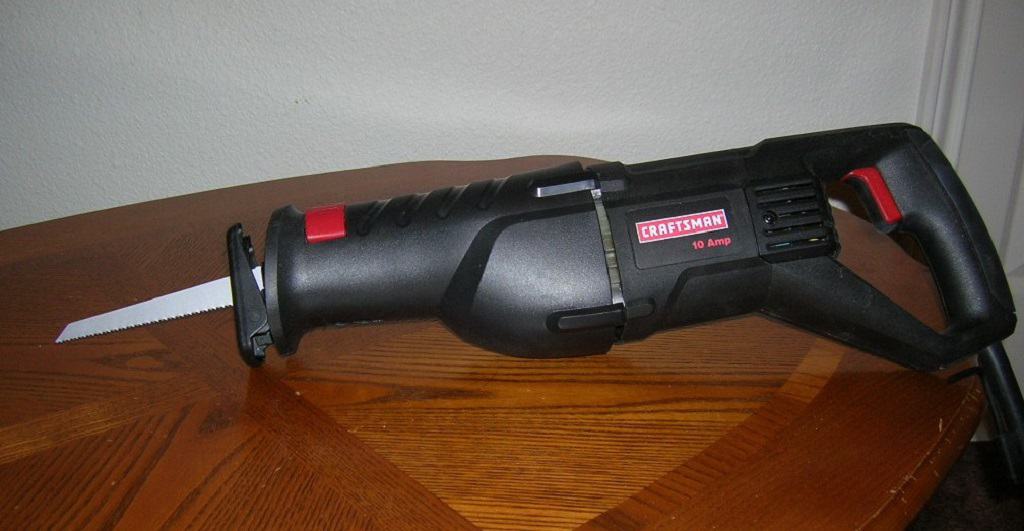
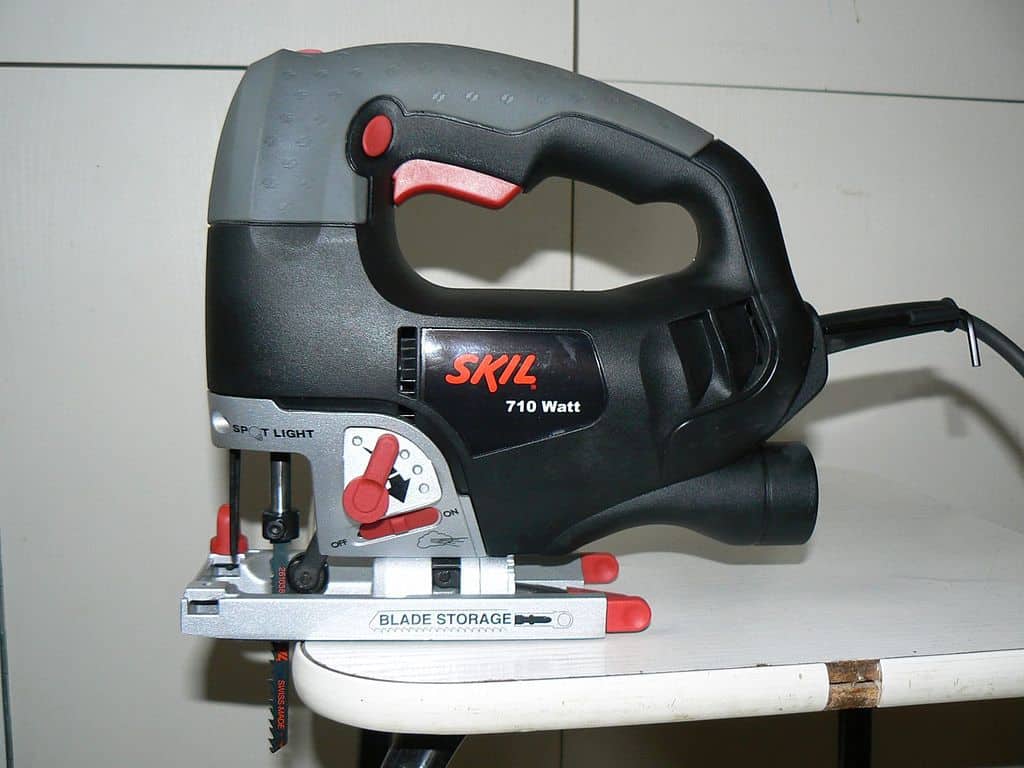
A jigsaw is a handheld type of reciprocating power saw. Its narrow blade is clamped at the top and moves up and down, with a guide roller behind it near the shoe.
That narrow blade is what lets a jigsaw cut curves, circles, and inside cutouts. Jigsaws come in corded and cordless models.
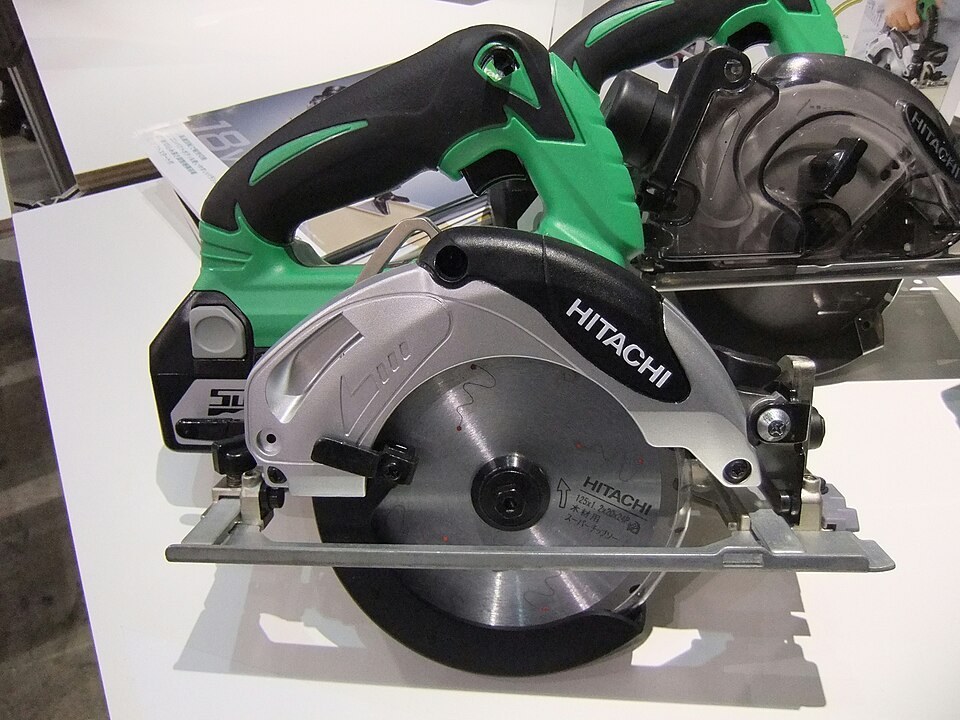
Circular saws spin a round blade, usually 6-1/2 to 7-1/4 inches on handheld models. They are built for fast, straight cuts across or along boards and sheet goods.
Circular saws are among the most common power saws on job sites and in home shops. Like jigsaws, they come in corded and cordless models.
Buying Guide
After reading our jigsaw versus circular saw reviews above, you can see that the two tools do different jobs.
Here is how to pick the right jigsaw or circular saw for your work:
The Nature of Your Work
The type of project you do should decide what you buy. If most of your cuts are straight cuts in framing lumber or plywood, get a circular saw.
If you mainly cut curves and cutouts, a jigsaw is the better option. If you work where there is no power outlet, choose a cordless model.
Power
If you have a lot of cutting or work with thick hardwood, choose a saw with a stronger motor.
If you only do occasional weekend projects around the home, a less powerful jigsaw or circular saw will be fine.
Brand
Established brands such as Makita, Ryobi, Bosch, and Skil offer warranties, manuals, and service networks, which matter when something wears out.
Parts Availability
Blades, brushes, and base plates wear out over time. Choose tools with replacement parts that are easy to find.
Some manufacturers also have service centers that handle repairs on jigsaws and circular saws.
Safety
Wear safety glasses and hearing protection, clamp the workpiece, and unplug the saw or remove the battery before changing blades. OSHA's guide to hand and power tools covers these basic precautions.
Final Thoughts
The jigsaw vs circular saw choice comes down to why you need the tool. They are different tools that do different cuts.
Both have a place in a wood shop, and many woodworkers end up owning both.
In our jigsaw vs circular saw comparison, Makita SP6000J1 and Bosch JS470E Jigsaw were the best in the circular saw and jigsaw categories, respectively.