The Best Dovetail Saw Reviews & Guide
Contents
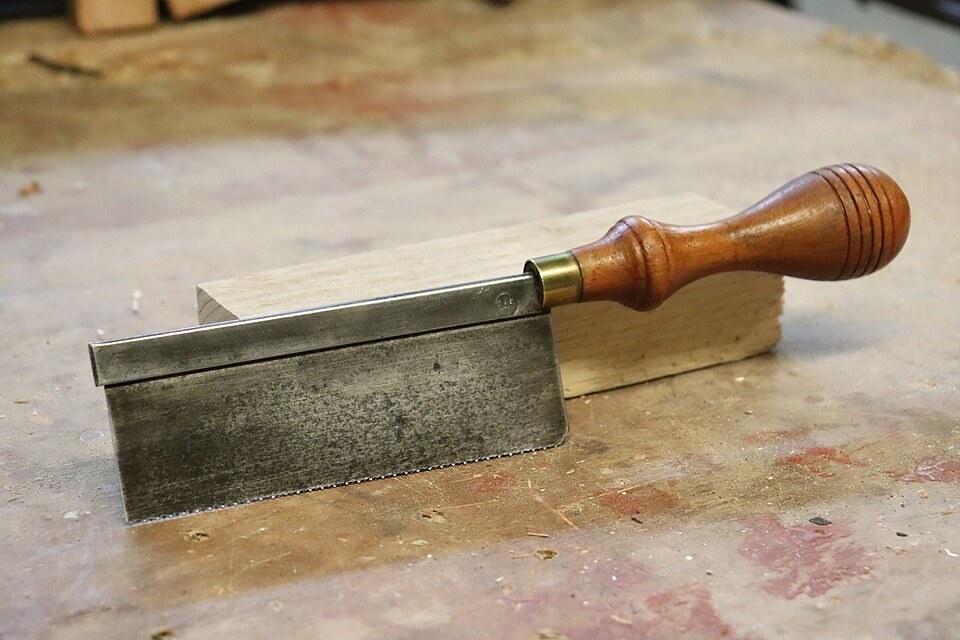
Photo by LittleDwangs, CC BY-SA 4.0, via Wikimedia Commons
Painters have their thin brushes, stonemasons have their chisels, and when it comes to carpenters, the perfect option for fine cuts is the dovetail saw. Although primarily known for its use in designing dovetail joints, a dovetail saw is a great option when targeting fine and tidy finishes.
Dovetail saws come in Western push-stroke and Japanese pull-stroke styles. Below are four good options for fine joinery cuts, with what each does best.
OUR TOP PICK
Our favorite is the GYOKUCHO Ryoba Saw. With its impulse-hardened teeth and double-sided blade, it handles both rip and crosscuts.
Our Top Dovetail Saws Are…
| Product | Details | ||
|---|---|---|---|
| 1. GYOKUCHO Ryoba Double Edge Razor Saw | 1. GYOKUCHO Ryoba Double Edge Razor Saw Top Pick | - Weight: 7.8 ounces - Dimensions: 13 x 4 x 0.1 inches - Blade material and size: Steel, 9.4 inch - Rip and crosscut teeth | Check Current Price |
| 2. Suizan Japanese Pull Saw | 2. Suizan Japanese Pull Saw | - Weight: 5.6 ounces - Dimensions: 24.7 x 1.3 x 4.5 inches - Blade material: Japanese steel - Blade size: 9.5 inches | Check Current Price |
| 3. IRWIN 213104 Dovetail Saw | 3. IRWIN 213104 Dovetail Saw | - Weight: 3.84 ounces - Dimensions: 14.5 x 2.5 x 1.3 inches - Blade length: 7.25 inches | Check Current Price |
| 4. Zona 35-380 | 4. Zona 35-380 | - Weight: about 4 ounces - Blade length: 8 inch - Cutting depth: 1-3/4 inches - Teeth configuration: 18 teeth per inch (TPI) | Check Current Price |
1. GYOKUCHO Ryoba Double Edge Razor Saw: First Choice
This Ryoba Double Edge Razor Saw from Gyokucho is our first choice. It is a ryoba, the all-purpose Japanese saw, rather than a backed dovetail saw (a dozuki). Its design borrows from traditional Japanese dovetail models and works well for joinery.
Its impulse-hardened teeth stay sharp longer. Like other Japanese saws, it cuts on the pull stroke, so the blade can be thin and hard.
The blade is two-sided: one edge rips and the other crosscuts. With no stiffening back, the thin blade can flex, so start cuts slowly and let the kerf guide it.
To make sawing with this dovetail saw easier, its handle is long so that you can use both hands when necessary. We found this crucial, especially when cutting tough materials or requiring greater control for precision.
Specs
- Weight: 7.8 ounces
- Dimensions: 13 x 4 x 0.1 inches
- Blade material and size: Steel, 9.4 inch
- Teeth configuration: rip teeth on one edge, crosscut on the other
Pros
- Cuts using the pull stroke which requires less effort
- Can be used to cut a wide variety of joints
- Teeth are impulse hardened and durable
- Blade is replaceable
- Easy to use
Cons
- No stiffening back, so it is less precise than a dozuki for fine dovetails
2. Suizan Japanese Pull Saw
Coming in the second position is this Suizan Japanese Ryoba Saw, made of Japanese steel. Because it cuts on the pull stroke, its thin blade removes less wood per stroke and needs less effort.
The blade is thin and sharp for fast sawing. When it dulls, you can replace it. Simply get a new blade, remove the screw on the handle, insert the new blade, and the saw will become as good as new.
Weighing only 5.6 ounces, this saw is light enough to use for long sessions.
Specs
- Weight: 5.6 ounces
- Dimensions: 24.7 x 1.3 x 4.5 inches
- Blade material: Japanese steel
- Blade size: 9.5 inches
Pros
- Requires less effort to make clean cuts
- Easy to use
- You can use both hands when cutting
- Constructed to last
- The blade is replaceable
Cons
- The thin blade tends to bend when sawing fast
3. IRWIN 213104 Dovetail Saw
Irwin’s 213104 is a budget pull saw that borrows from Japanese models.
The saw comes with a short blade of 7.25 inches that makes it a great option for precision cutting. Its induction-hardened teeth are made for crosscuts. The blade is flexible, which suits interior trim work, detailed work on furniture, and flush cutting on dowels.
Its polymer handle is firm and comfortable over long sessions.
Specs
- Weight: 3.84 ounces
- Dimensions: 14.5 x 2.5 x 1.3 inches
- Blade length: 7.25 inches
Pros
- Light and easy to use by both experts and newbies
- Comes with induction hardened teeth
- Its polymer handle is firm and comfortable
Cons
- The dovetail saw blade is not replaceable
- It is not suitable for rip cuts
4. Zona 35-380
This Zona 35-380 is a small Western-style backsaw that cuts on the push stroke. Its 0.020 inch blade is Zona's thick-kerf model, stiffened by a steel back.
Per Zona's product page, the 8 inch blade has 18 TPI and cuts up to 1-3/4 inches deep. It is made in the USA.
It has a wooden handle that lets you control the saw with one hand. This means that the other hand is free so that you can grab the workpiece for extra firmness when cutting. But for greater precision, we recommend that you firmly clamp the workpiece before making your cuts.
Specs
- Weight: about 4 ounces
- Blade length: 8 inch
- Cutting depth: 1-3/4 inches
- Teeth configuration: 18 teeth per inch (TPI)
Pros
- Steel back keeps the blade straight
- Light and easy to use
- Very affordable
Cons
- The blade is not replaceable
- Limited to 1-3/4 inch cut depth
Buying Guide
Here are the key things to consider before buying a dovetail saw.
The Blade
The blade matters most for precise joinery. Hardened teeth stay sharp longer.
A stiffening back (on Western dovetail saws and Japanese dozuki) keeps a thin blade straight for accurate dovetails. Unbacked ryoba saws flex more.
Still, on the blade, you should try to find out whether it is replaceable. The advantage of a replaceable blade is that when it wears out, you can replace it as opposed to buying a new saw.
The Handle Size
The handle of any dovetail saw determines how comfortably you can work with it. It should be firm and big enough for your grip.
If you will be cutting a lot of tough materials, consider going for the model with longer handles that can be used with both hands.
Price
Higher prices don't always mean better dovetail saws. All four saws here are budget to midrange options.
Manufacturer
Stick with established brands with proven tools. Some of the top brands when it comes to manufacturing dovetail saws include Suizan, Gyokucho, and Irwin.
Final Thoughts
For fine, accurate joinery cuts, a good dovetail saw is worth having. All four saws here have hardened teeth and comfortable handles.
Of the four, the Gyokucho Ryoba Saw is our favorite for its versatility. If you mainly cut dovetails, a backed saw like the Zona gives straighter cuts.
Clamp the workpiece firmly before cutting, and keep your free hand out of the saw's path.
Sources
- Choosing and Using Japanese Handsaws, Fine Woodworking
- Dovetail Saw 18TPI (35-380), Zona Tool