Best Woodworking Personal Protective Equipment to Use
Contents
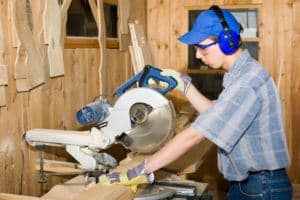
Woodworking can be a fun hobby, as long as you take steps to stay safe. Hand tools and power tools can cause:
- Splinters
- Cuts
- Eye injuries from flying chips
- Hearing loss
- Breathing problems from wood dust
Before you begin to do any woodworking, the first thing to do is review your working area for any potential hazards that could contribute to an injury. When you take a few minutes to plan properly, then you can prevent many of the injuries or health concerns that are associated with woodworking.
Whenever you operate woodworking equipment, there are also a number of personal protective equipment options that you should consider wearing. This safety equipment should be worn even if you are performing work with hand tools.
#1. Face and Eye Protection
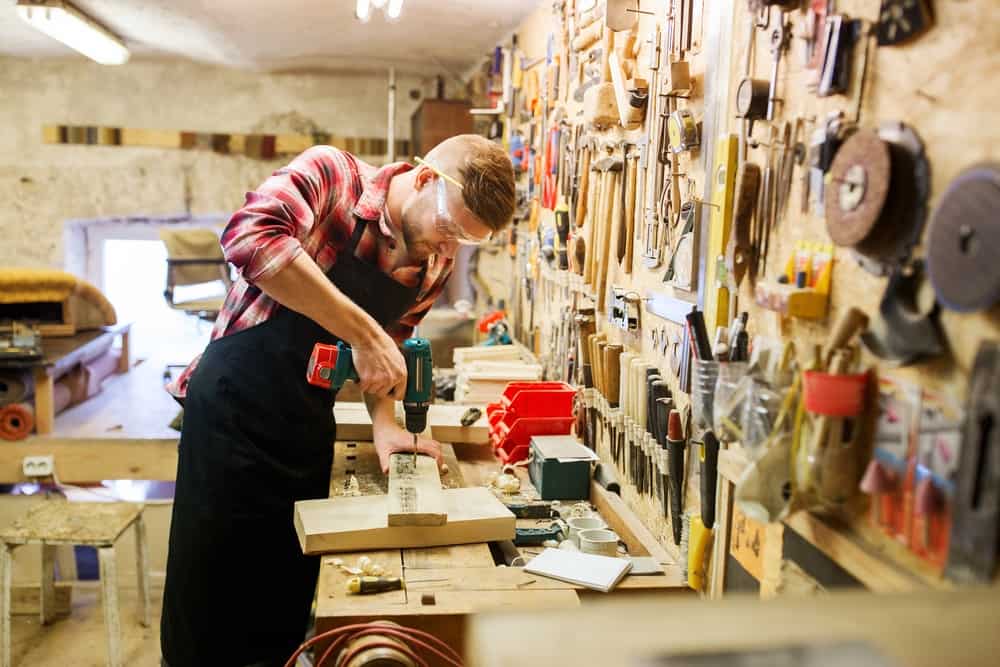
Always wear safety glasses or goggles when working with wood. Add a full-face shield over your glasses for the lathe, router table and grinder, where chips fly hardest. Cutting, drilling, chopping and sanding also call for breathing protection.
The 3M 8210 below is an N95 particulate respirator, which suits wood dust. It does not filter solvent or finish vapors; for those, use a respirator with organic vapor cartridges. Here are our recommendations in this category.
Safety Glasses: Allen Safety Glasses.
Breathing Protection: 3M 8210.
Full-Face Shield: Honeywell S8500.
We also have a full article on the best dust masks and respirators for woodworking that you can read as well.
#2. Hearing Protection
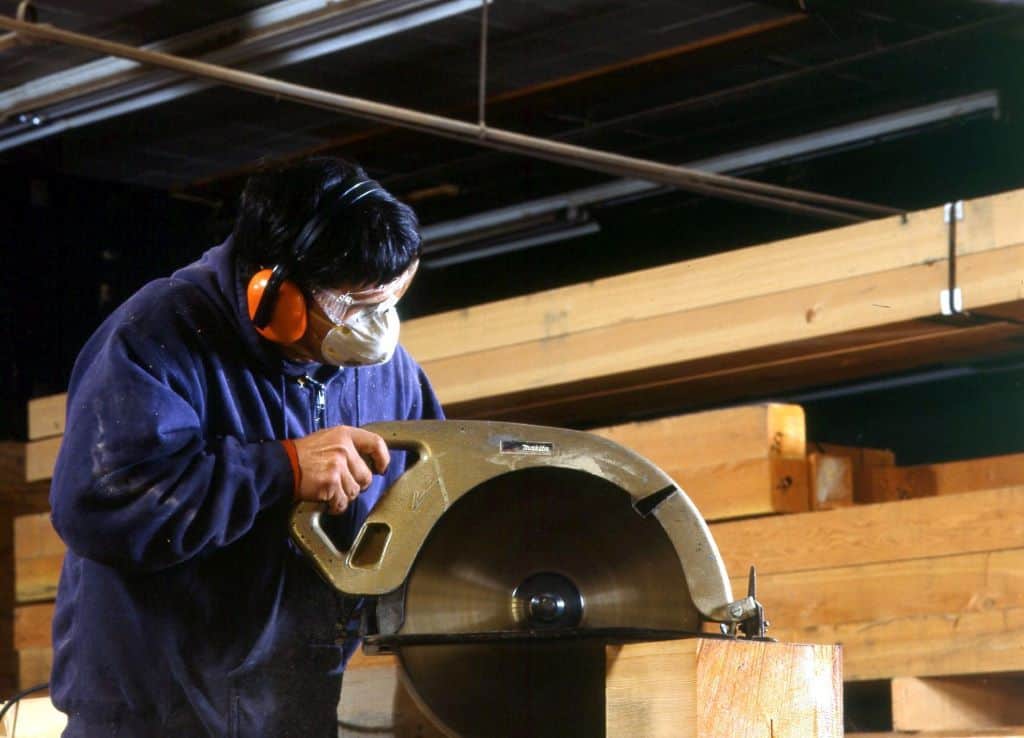
OSHA warns that noise exposure over 85 decibels can damage your hearing, and that hearing loss from noise is permanent. Table saws, routers and planers are loud enough to matter, so wear earplugs or earmuffs whenever they run.
We highly recommend these ear muffs from Clear Armor for your woodworking needs:
#3. Hand and Foot Protection
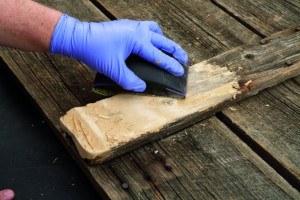
Woodworking means moving lumber, tools and benches, and anything heavy can drop. Wear sturdy work boots, and wear gloves when handling rough lumber.
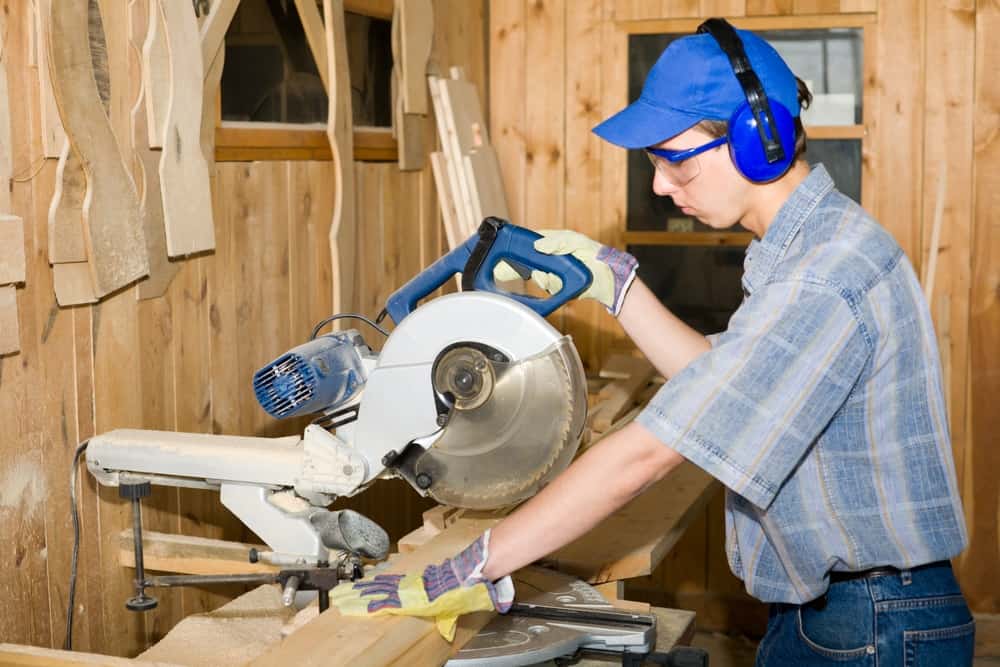
Take gloves off before you run a table saw, lathe, drill press or router. A glove can catch on a spinning blade or workpiece and pull your hand in, and OSHA’s lathe guidance says operators should never wear gloves, loose clothing, long hair or jewelry at the machine.
Here are our recommendations.
Safety Gloves: Leathercraft 125M.
Work Boots: Timberland Pro Pitboss.
#4. Head Protection
This woodworking personal protective equipment option should be looked at if you are working around overhead obstacles. If your activities could cause falling objects in your garage, shed, or job site, then you’ll want to use a hardhat to prevent a potential injury.
If you happen to have this need, we recommend this Pyramex cap-style hardhat for maximum comfort while you complete your woodworking project.
#5. Allergy Protection
Some woods can trigger allergic reactions, including asthma, skin rashes, nose bleeds and wheezing. OSHA notes that repeated exposure can sensitize you, and that some hardwoods, such as oak, walnut and beech, have been linked to nasal cancer in woodworkers.
This complete chart of wood allergies and toxicity should be referenced before using an unfamiliar type of wood.
Any wood dust can cause problems over time. Collect dust at the tool with a vacuum or dust collector first, then wear this respirator by 3M for what the collector misses.
With the right gear and habits, you can enjoy woodworking without avoidable injuries.